Designing Family Offices That Endure Beyond the Founder
What separates founder-dependent organizations from founder-designed enterprises.
June 3, 2026 —
For many families, the conversation is no longer whether to create a family office, but how to design one that can support the family beyond the founder’s direct involvement.
In recent years, we have seen an extraordinary number of liquidity events, creating a growing population of families with the resources to establish organizations tailored to their unique needs. At the same time, the ongoing transfer of wealth across generations is prompting many families to ask a more fundamental question: How do we build something that will endure?
The distinction between founder-dependent and founder-designed organizations is reshaping how families think about governance, talent, succession planning, and long-term continuity – something we explore in a recent episode of The Mack Podcast.
The “Founder’s” Office
Family offices are often described as unique because they reflect the families they serve – their values, priorities, and objectives – which is one reason the old adage that “when you’ve seen one family office, you’ve seen one family office” has persisted for so long.
Particularly in the early years, many family offices are built around the founder’s involvement. The founder is often deeply involved across every aspect of the organization, from strategic decisions to day-to-day operations. Some organizations evolve organically over time, while others are intentionally designed from the outset.
Family offices that emerge as an afterthought often become heavily dependent on the founder’s personal involvement. Decisions, relationships, and institutional knowledge remain concentrated in a single individual. By contrast, the most durable family offices begin with a clear sense of purpose. Rather than asking what functions need to be performed, they ask a more foundational question: Why are we building this organization, and what role should it play for future generations?
Families that answer those questions early are often better positioned to build organizations that endure.
Moving From Founder-Dependent to Founder-Designed
While purpose may define the long-term vision of a family office, the transition from founder-dependent to founder-designed often becomes most visible when the next generation reaches adulthood.
As family members become ready for greater involvement, many founders realize they haven’t yet created meaningful opportunities for participation.
The most successful families create pathways for future generations to learn, contribute, and eventually assume responsibility. Rather than waiting until a leadership transition becomes necessary, they begin involving younger family members well in advance.
One practical framework is to allow the next generation to learn first, then contribute their voice, and eventually earn a vote in decision-making. By gradually increasing responsibility, families can develop confidence in future leaders while preserving continuity and institutional knowledge.
Start with Purpose Before Structure
As families begin thinking about succession and continuity, many naturally turn their attention to estate planning, tax efficiency, ownership structures, and governance documents.
The more important question is often simpler: How should this wealth serve the family’s purpose?
Without that clarity, families risk creating structures that optimize for tax outcomes while unintentionally limiting future generations’ flexibility, decision-making authority, or ability to pursue the family’s broader mission.
Governance structures, ownership plans, and organizational design should support family values and objectives – not define them.
Exercises such as succession planning reviews or “death audits” can help families identify where decision-making remains concentrated and whether the organization is truly prepared for leadership transitions.
When purpose drives the design process, families are often better equipped to preserve both wealth and family cohesion over time.
Talent as a Strategic Asset
Talent is often the invisible infrastructure that supports an enduring family office. As we explored in a previous article on talent strategy, identifying and retaining the right leaders remains one of the industry’s most persistent challenges as family offices become more sophisticated.
Technical expertise alone is rarely enough. The most effective leaders operate at the intersection of investments, governance, operations, family dynamics, philanthropy, and long-term planning.
At Mack International, we often refer to these individuals as “expert generalists” – professionals capable of navigating a wide range of responsibilities while building trusted relationships with family members.
Emotional intelligence is often the differentiator. Leaders must communicate across generations, navigate complex family dynamics, exercise sound judgment, and provide candid guidance when needed.
These individuals combine technical competence with humility, relationship-building skills, and the ability to serve as long-term stewards of the family’s vision.
Endurance Requires Intention
Purpose, governance, succession, and talent are deeply interconnected. When approached intentionally, they create the foundation for organizations that can serve families well beyond the founder’s involvement.
The most enduring family offices are built with intention. They are designed not only to manage wealth, but to support the family’s values, decision-making, and long-term objectives.
That requires thoughtful decisions about leadership, governance, succession, and talent, often years before those capabilities are needed.
Families that approach the family office solely as a cost center often limit what it can become. Those that view it as a strategic asset gain access to leadership, talent, governance, and resources capable of strengthening the family enterprise for decades to come.
At Mack International, we partner with family offices and family enterprises to identify and recruit leaders who can help build organizations designed to support both present needs and future generations.
To discuss how leadership and talent strategy can support your family’s long-term objectives, please reach out to a member of the Mack International team here.
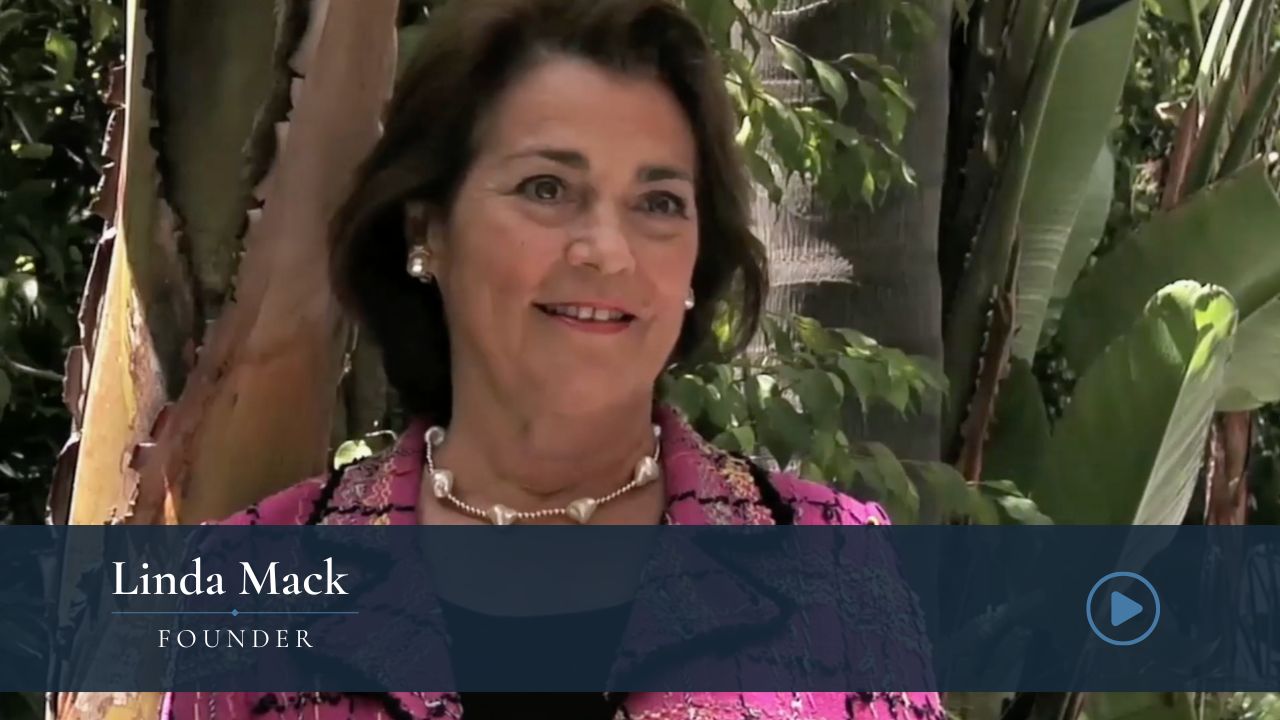
Subscribe to Mack's Monthly Insights
Premier Retained Executive Search & Strategic Human Capital Consulting Firm
For single and multi-client family offices, family enterprises, and the full spectrum of wealth and investment management and financial services firms that serve ultra-high-net-worth individuals and family offices.

Social Media Links
Office Locations
Nashville, TN
West Palm Beach, FL
Dallas, TX
New York, NY
Chicago, IL