The Future-Ready Family Office: Building for the Next Generation
How changing family needs, operating models, and leadership expectations are shaping the modern family office
November 5, 2026 —
Family offices today are managing greater wealth, more complex structures, and the needs of multiple generations. Yet many continue to operate within models originally designed around the preferences and priorities of a single founder.
This raises an important question: Is the family office structured to serve the family as it exists today and prepared for what comes next?
Building a future-ready family office requires more than adopting new technology or expanding internal capabilities. It calls for a careful assessment of the organization’s purpose, operating model, talent, and long-term priorities.
From Founder-Led to Professionally Managed
Many family offices were established to address the immediate needs of a wealth creator, with services and responsibilities added over time.
As families grow, these structures can become difficult to maintain, particularly when multiple generations have different expectations.
Managing the family office with the same discipline as a business can help address these challenges. This begins with clearly defining who the organization serves, what services it provides, how those services are delivered, and how success is measured.
As explored in our previous article, Designing Family Offices That Endure Beyond the Founder, the transition from a founder-dependent organization to one built for long-term continuity requires sound governance, succession planning, and leadership development.
Rethinking the Family Office Operating Model
Technology and specialized outsourcing providers are changing how family offices deliver services.
Functions that once required significant internal resources can now be supported through external expertise and technology-enabled solutions. This allows family offices to operate with leaner teams and dedicate more resources to strategic priorities.
However, decisions about what to manage internally versus externally should begin with the family’s objectives, rather than the availability of new technology.
Cost, privacy, control, and risk management all play a role in determining the right approach. Just as important is understanding how each function contributes to the organization as a whole.
These operating models also place greater demands on executive leadership. Leaner organizations need leaders capable of managing external relationships, exercising sound judgment, and connecting multiple areas of expertise.
This reinforces a longstanding Mack International philosophy: the value of the Expert Generalist, a leader who understands how the different functions of a family office work together and can coordinate specialized expertise to serve the family’s broader objectives.
The Next Generation Is Changing Expectations
As wealth passes from one generation to the next, family offices must reconsider how they engage with the individuals they serve.
Younger family members often have different expectations around communication, transparency, financial reporting, and personalized services. Traditional reporting formats may satisfy compliance requirements without providing the practical information individuals need to make decisions.
Family members also have access to sophisticated external advisors and service providers, making it important for family offices to demonstrate the value of their services and build strong relationships across generations.
Success, therefore, cannot be measured exclusively through investment performance or operating costs. Family engagement, satisfaction, trust, and service quality are equally important measures of a well-functioning family office.
Building for Long-Term Success
The most successful family offices of the future may not be those with the greatest resources, but those that can adapt as family needs, assets, and priorities change.
This requires strong governance, a well-considered operating model, and leaders who combine professional expertise with an understanding of family dynamics.
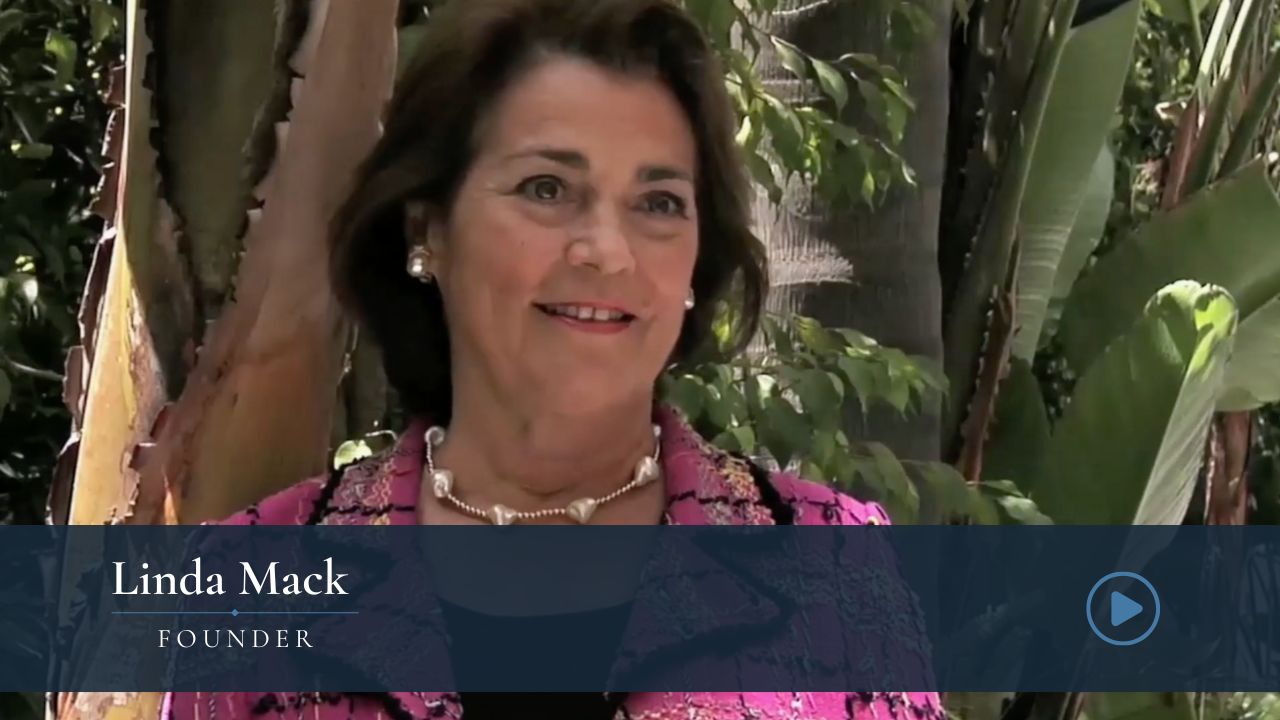
In the opening conversation of The Mack Podcast’s Future-Ready Family Office series, Brian C. Adams welcomes Catherine Fankhauser, Family Office Advisory Services Practice Leader at EY, and Brock Griffiths, EY Americas Family Enterprise Leader, to discuss these shifts and what they mean for the future of family office leadership.
At Mack International, we specialize in retained executive search and strategic consulting for family offices, family investment firms, and family enterprises. With more than two decades of experience, we help families identify exceptional leadership talent and navigate the organizational complexities that accompany growth and generational transitions.
If your family office is evaluating its leadership needs or preparing for its next chapter, we welcome the opportunity for a confidential conversation. Contact our team to learn more.
Subscribe to Mack's Monthly Insights
Premier Retained Executive Search & Strategic Human Capital Consulting Firm
For single and multi-client family offices, family enterprises, and the full spectrum of wealth and investment management and financial services firms that serve ultra-high-net-worth individuals and family offices.

Social Media Links
Office Locations
Nashville, TN
West Palm Beach, FL
Dallas, TX
New York, NY
Chicago, IL